
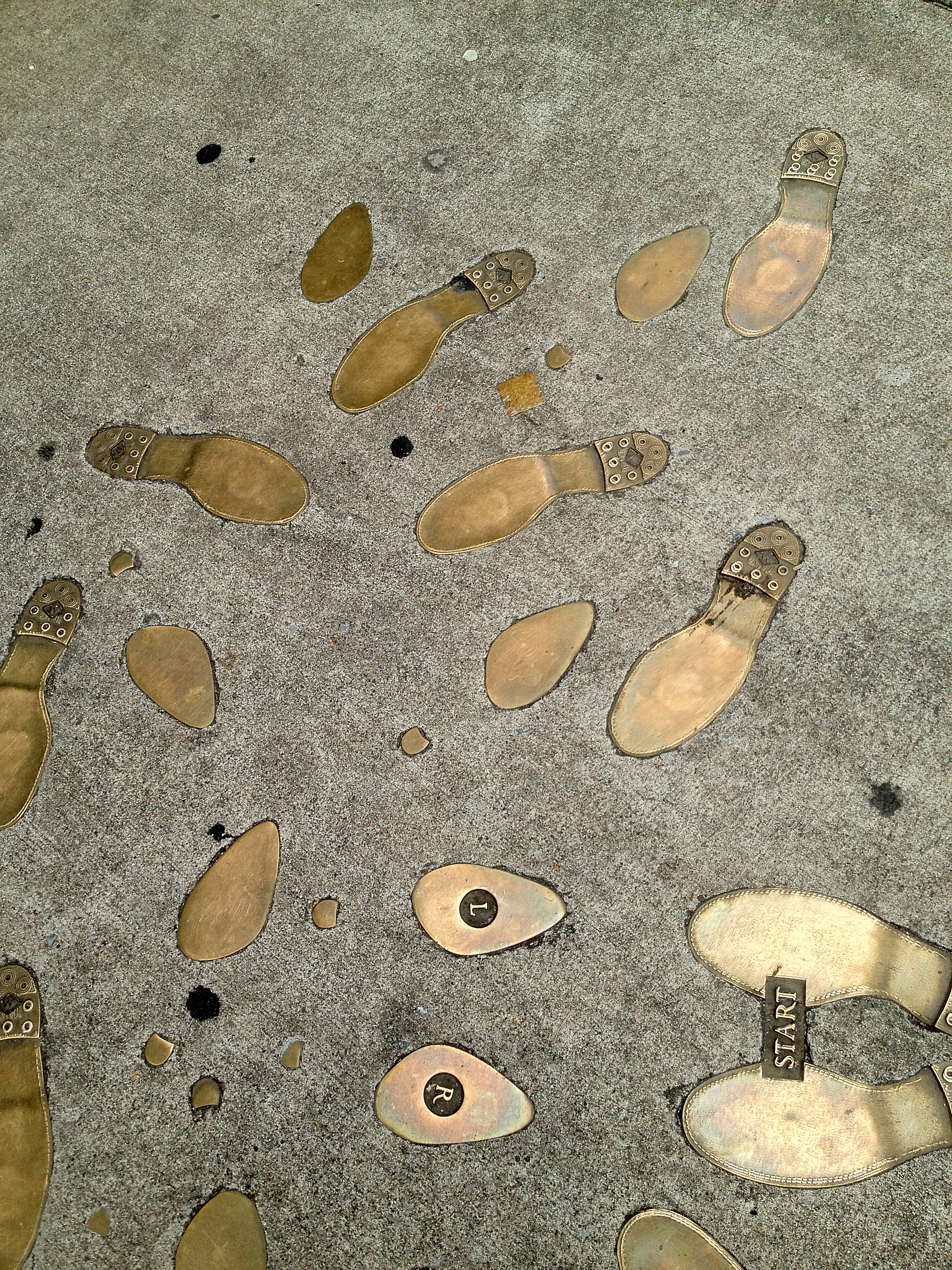
 Last month, while visiting with my mother, 92, we danced the dance we’ve adopted since her dementia diagnosis about two years ago. We change it up as appropriate, depending on how she’s feeling and how I’m handling how she’s feeling. Some days it’s jazz like, where we make it up as we go along with a lot of zigging and zagging and very little rhythm. On other days it resembles a waltz, with smooth and deliberate steps. Always, one of us leads and the other follows. For the most part it starts out like this:
She looks at me intently for several seconds before breaking into a smile that cracks my heart a little more each time: part surprise, part gratitude, and still, thankfully, part recognition. All the while I’m smiling back at her, trying not to panic, resisting the temptation to burst forth with, “Surely you remember me, your favorite daughter!”
“Oh sweetheart,” she says, coming close to hug me. “I didn’t know you were coming.” Which is often true, as I’ve been advised by counselors to say “I’ll get back as soon as I can,” instead of “I’ll see you tomorrow,” in case my plans change and Mother is left hanging, waiting for me to drop by. (I live in Tennessee and she’s in Mississippi in a residential facility.) Just as sure as I told Mother I’d be there on a certain day, at a specific time, she’d be lucid enough to hold me accountable. And trust me when I say you don’t want that kind of guilt weighing on you, getting a call that says, “Your mother is waiting for you. She’s anxious that you’re not here when you said you’d be. And she’s all dressed up. With her purse in her lap.”
On this particular visit I could not recall the name of another resident while Mother and I were talking. I’ve known the woman forever, grew up with her children, and yet I couldn’t bring her name to my mouth.
“You know, Mother,” I said, pleading and pointing toward the hall. “The woman who lives just up the way from you. The one with the—“
“Give me just a minute,” said Mother, interrupting me and holding out her right hand in a “stop” position. “Let me think.”
She came up with the name shortly thereafter and presented it to me without fanfare. Just another mother helping her child.

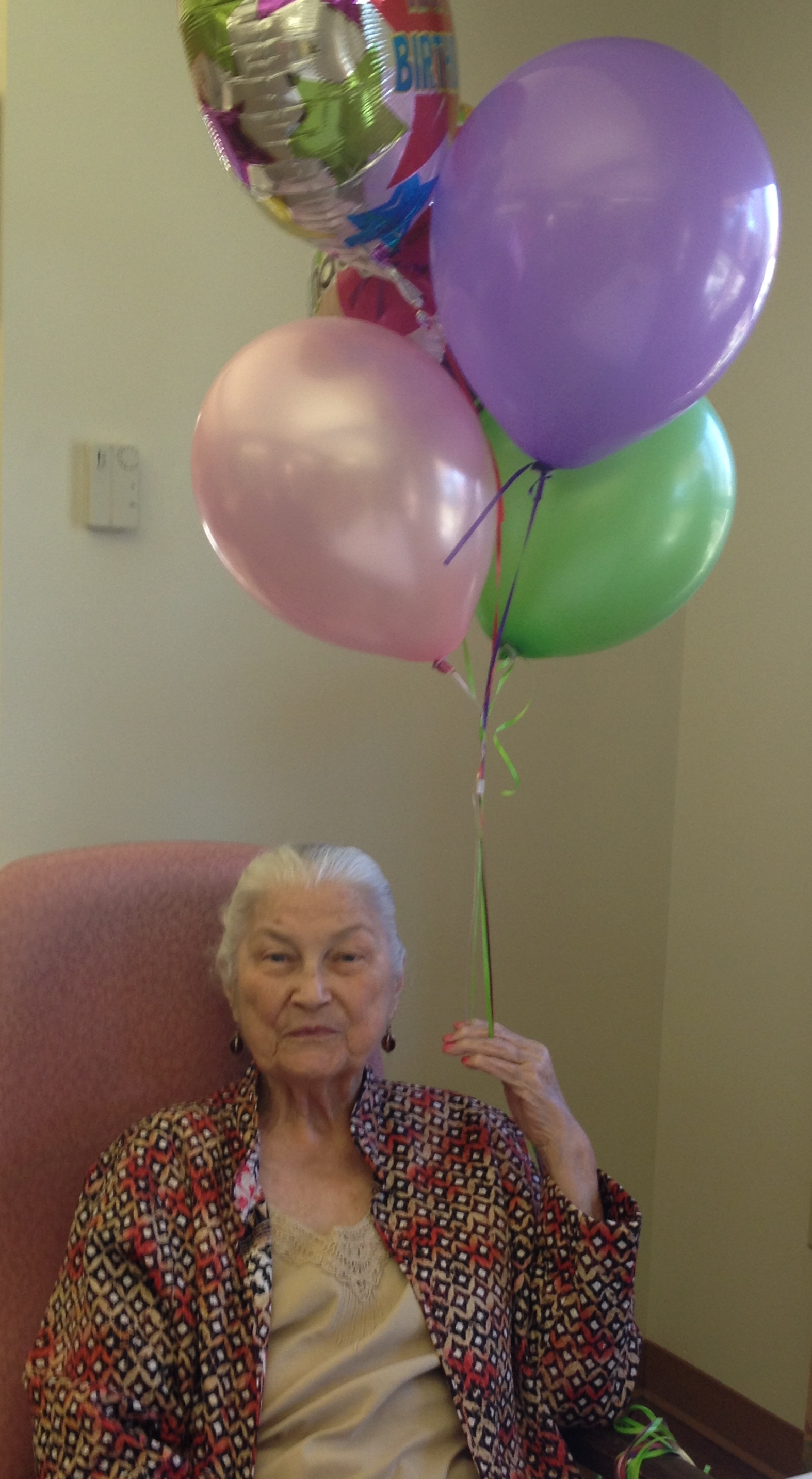
 What the ornaments hanging on this wreath lack in finesse they make up for in memory, and tradition, and family. Like when my father was still alive, his arm wrapped around whichever of his three daughters happened to be within reach. When my mother didn’t have a diagnosis of dementia, and we painted wooden cutouts shaped like snowmen and Santas. When my sisters and I were young. These ornaments are as much a part of me as my green eyes and my tendency toward impatience. I pack them up with a heart made full by tenderness for what was, gratitude for this present moment, and acceptance of what will be.
 Amy Lyles Wilson, M.A., M.T.S. | Writer, Story Coach, Spiritual Director